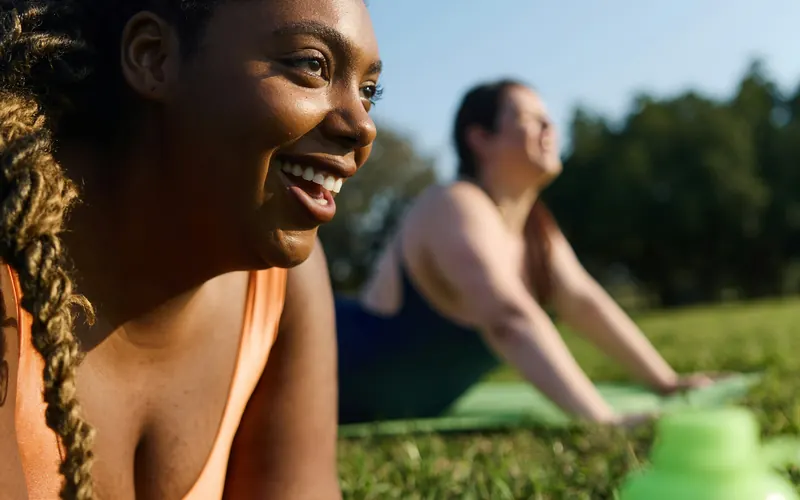
When you're living with chronic pain, the idea of exercise can feel counterintuitive, even frightening. Why would you want to move more when movement hurts? But here's what research consistently shows: the right kind of gentle movement can actually reduce pain, improve function, and help you feel better over time.
The key is finding exercises that work with your body, not against it. Low-impact activities protect your joints while still providing the benefits of movement: improved circulation, stronger muscles, better mood, and often, less pain.
Why Exercise Helps Chronic Pain
It might seem paradoxical, but regular gentle movement can help break the cycle of chronic pain. Here's why:
- Endorphin release: Exercise triggers the release of endorphins, your body's natural painkillers
- Improved blood flow: Better circulation delivers more oxygen and nutrients to tissues while removing waste products
- Stronger supporting muscles: Stronger muscles better support joints and reduce strain
- Reduced stiffness: Movement keeps joints lubricated and prevents the stiffness that comes from inactivity
- Better sleep: Regular exercise improves sleep quality, which is crucial for pain management
- Mood improvement: Physical activity helps reduce anxiety and depression, which often accompany chronic pain
1. Walking
Walking is one of the most accessible and effective low-impact exercises. It requires no equipment, can be done almost anywhere, and you can easily adjust the intensity to match how you're feeling on any given day.
Start with short walks. Even 5-10 minutes counts. Gradually increase duration as your body adapts. Pay attention to your posture: keep your head up, shoulders relaxed, and take natural strides.
Walking Tips for Chronic Pain
- Invest in supportive, well-cushioned shoes
- Choose flat, even surfaces when possible
- Walk at a pace where you can still hold a conversation
- If outdoor walking is difficult, try mall walking or a treadmill
- Use walking poles for added stability and upper body engagement
2. Swimming and Water Exercises
Water is a chronic pain sufferer's best friend. In water up to your chest or neck, buoyancy carries most of your body weight, taking much of the load off your joints. This makes movements possible in water that might be painful on land.
Swimming laps, water walking, water aerobics, or simply moving around in the pool all count. Many community pools and fitness centers offer water aerobics classes specifically designed for people with arthritis or chronic pain.
The water's resistance also provides gentle strength training, and the hydrostatic pressure can help reduce swelling in joints.
3. Cycling (Stationary or Outdoor)
Cycling is excellent for chronic pain because it's non-weight-bearing, meaning the bike supports your weight while you move. This makes it particularly good for people with knee, hip, or back pain.
Stationary bikes offer the advantage of controlling your environment (temperature, terrain, and the ability to stop immediately). Recumbent bikes, which have a reclined seating position, can be even more comfortable for those with back issues.
If you prefer outdoor cycling, choose flat routes and start with short distances. An e-bike can be a great option, giving you assistance when you need it.
4. Yoga
Yoga combines gentle stretching, strengthening, and mindfulness, all of which are beneficial for chronic pain management. It improves flexibility, builds strength, and teaches body awareness that can help you recognize and respond to pain signals.
Look for classes labeled "gentle yoga," "restorative yoga," or "yoga for chronic pain." Many poses can be modified using props like blocks, straps, and bolsters. Chair yoga is another excellent option if getting down to the floor is difficult.
5. Tai Chi
Tai Chi is an ancient Chinese practice involving slow, flowing movements and deep breathing. It's sometimes described as "meditation in motion." Research has shown it can help reduce pain and improve function in people with conditions like fibromyalgia, arthritis, and chronic back pain.
The slow, controlled movements improve balance, flexibility, and strength without jarring impacts. The meditative aspect also helps with the stress and anxiety that often accompany chronic pain.
6. Stretching
Regular stretching can help maintain flexibility, reduce muscle tension, and improve range of motion. Even 10 minutes of gentle stretching each morning can make a difference in how you feel throughout the day.
Focus on major muscle groups: neck, shoulders, back, hips, and legs. Hold each stretch for 15-30 seconds without bouncing. You should feel a gentle pull, never sharp pain.
Simple Stretches to Try
- Neck rolls: Slowly roll your head in a circle, then reverse direction
- Shoulder shrugs: Raise shoulders to ears, hold, then release
- Cat-cow stretch: On hands and knees, alternate between arching and rounding your back
- Knee-to-chest: Lying on your back, pull one knee toward your chest
- Seated forward fold: Sit with legs extended and gently reach toward your toes
7. Resistance Band Exercises
Resistance bands provide a gentle way to build strength without the jarring impact of weights. They come in different resistance levels, so you can start easy and progress as you get stronger.
Bands are also joint-friendly because the resistance is smooth throughout the movement, unlike free weights where the load can shift. They're inexpensive, portable, and versatile enough for full-body workouts.
8. Pilates
Pilates focuses on core strength, flexibility, and controlled movement. A strong core supports your spine and can help reduce back pain. Like yoga, Pilates emphasizes body awareness and proper alignment.
Look for beginner or modified Pilates classes. Mat Pilates requires no equipment, while reformer Pilates uses a specialized machine that can make certain movements easier by providing support and assistance.
Finding Your Personal Balance
The most important thing about exercise for chronic pain isn't which activity you choose. It's finding what works for your body and doing it consistently. What helps one person might not help another, and your needs may change from day to day.
Listen to Your Body
There's a difference between the discomfort of using muscles and the pain of aggravating your condition. Learn to recognize the difference:
- Good discomfort: Mild muscle fatigue, gentle stretching sensation, warmth in muscles
- Warning signs to stop: Sharp pain, pain that increases during exercise, pain that persists long after you've stopped
Start Slow and Progress Gradually
The biggest mistake people make is doing too much too soon. Start with less than you think you can do. If that goes well, gradually increase duration or intensity over weeks, not days.
General guidelines suggest adults aim for about 150 minutes of moderate activity a week, plus some muscle strengthening. With chronic pain, think of that as a long-term direction, not a starting point. Ten minutes a day is a perfectly good beginning.
A good rule of thumb: if you're significantly more painful the day after exercise, you did too much. Scale back and progress more slowly.
Track What Works
Everyone's body responds differently to different activities. What reduces pain for one person might increase it for another. The only way to know what works for you is to track your activities alongside your symptoms.
How TakeCare Can Help
TakeCare makes it easy to see how movement and pain affect each other. If you wear a watch, your steps and workouts sync automatically through Apple Health or Health Connect. If you don't, logging a walk or a yoga class takes a few taps: pick the activity, the intensity and how long. Then rate how you feel morning, afternoon and evening, especially the evening after and the morning after you exercise, and log any as-needed pain medicine you take.
The Fitness hub shows your active days, steps, workouts and streaks, and your weekly minutes against health guidelines. The Medications hub shows whether your as-needed pain relief is helping, and with Pro, the Root Cause Explorer looks across weeks of activity, sleep and meals for what tends to come before your harder days.
You might discover that walking helps your back pain but aggravates your knee, or that swimming consistently leads to better days. These insights help you build an exercise routine that's truly personalized to your body.
Making It Sustainable
The best exercise is the one you'll actually do. Here are some tips for making low-impact exercise a lasting habit:
- Choose activities you enjoy. If you hate swimming, you won't stick with it no matter how beneficial it is.
- Schedule it like an appointment. Put exercise in your calendar and treat it as non-negotiable.
- Have a backup plan. If your usual activity isn't possible (pain flare, bad weather), have an alternative ready.
- Find a buddy. Exercising with someone else provides accountability and makes it more enjoyable.
- Celebrate small wins. Every time you move your body, you're doing something positive for your health.
Living with chronic pain is challenging, but gentle movement can be a powerful tool in your management toolkit. Start small, listen to your body, and be patient with yourself. Over time, you may find that the right kind of exercise becomes not just tolerable, but something you actually look forward to.