You've heard it a thousand times: drink more water. But here's what most people don't realize: the beverages you drink throughout the day don't all contribute equally to your hydration. A can of soda might be 90% water, but that doesn't mean it hydrates you the same way a glass of water does. Understanding this distinction can be a game-changer for managing chronic conditions and feeling your best.
Why Hydration Matters So Much
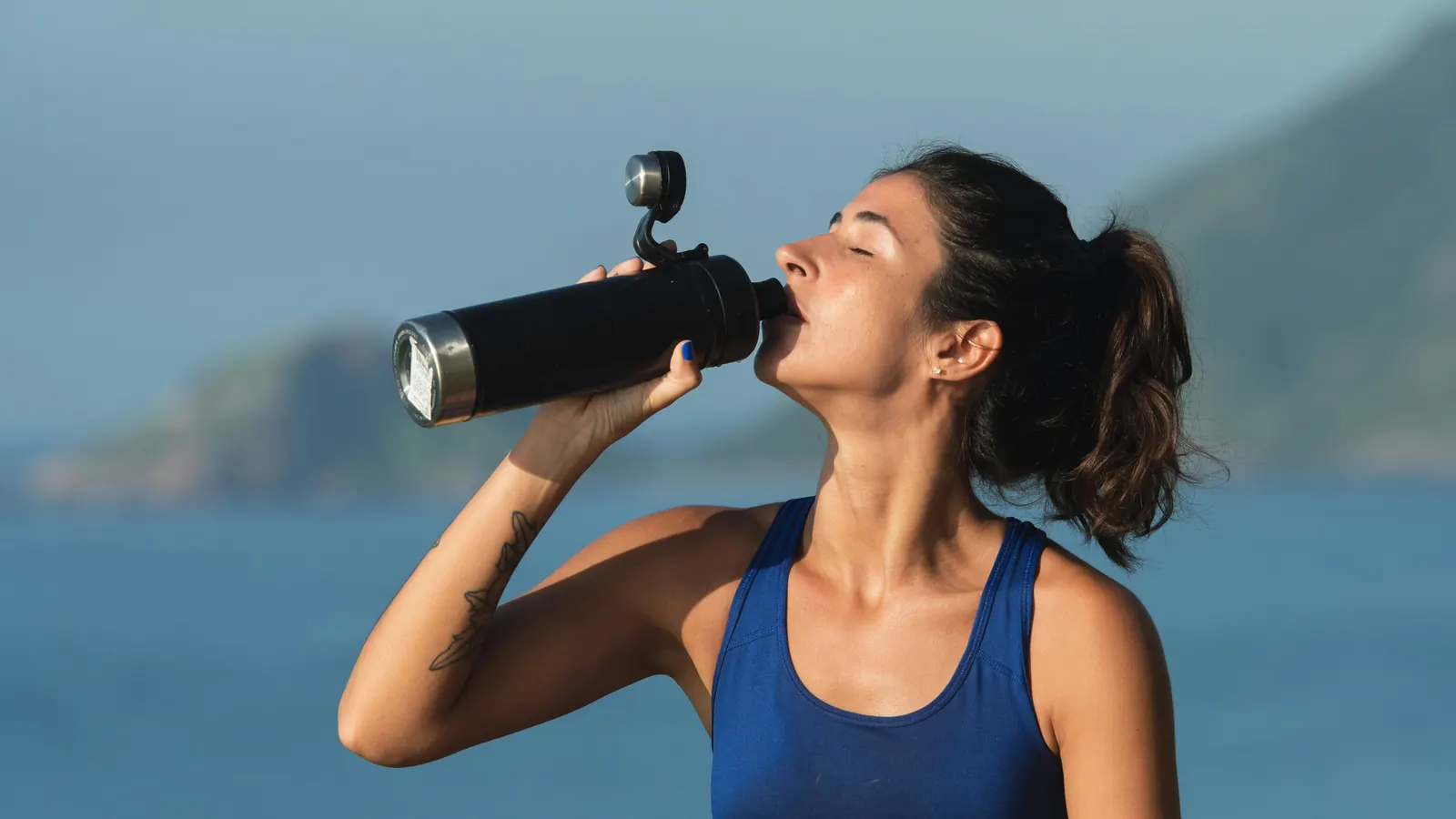
Water isn't just something your body needs. It's fundamental to virtually every function your body performs. Your body is roughly 60% water, and even mild dehydration can have noticeable effects on how you feel and function.
What Water Does for Your Body
- Regulates body temperature: Through sweating and respiration, water helps keep your core temperature stable
- Transports nutrients: Water in your blood carries oxygen and nutrients to cells throughout your body
- Removes waste: Your kidneys use water to filter toxins and waste products from your blood
- Lubricates joints: Synovial fluid, which cushions your joints, is primarily water
- Protects organs: Water acts as a shock absorber for your brain, spinal cord, and other vital organs
- Aids digestion: Water is essential for breaking down food and absorbing nutrients
- Supports cognitive function: Even mild dehydration can impair concentration, mood, and memory
Hydration and Chronic Conditions
For people managing chronic health conditions, proper hydration becomes even more critical. Dehydration can directly worsen many common symptoms:
Headaches and Migraines
Dehydration is a well-known trigger for headaches, and many people with migraine find that a day of drinking too little makes an attack more likely.
Fatigue and Brain Fog
Feeling tired and mentally sluggish? Dehydration reduces blood volume, meaning your heart has to work harder to pump blood. This can leave you feeling exhausted and make it difficult to concentrate.
Joint Pain
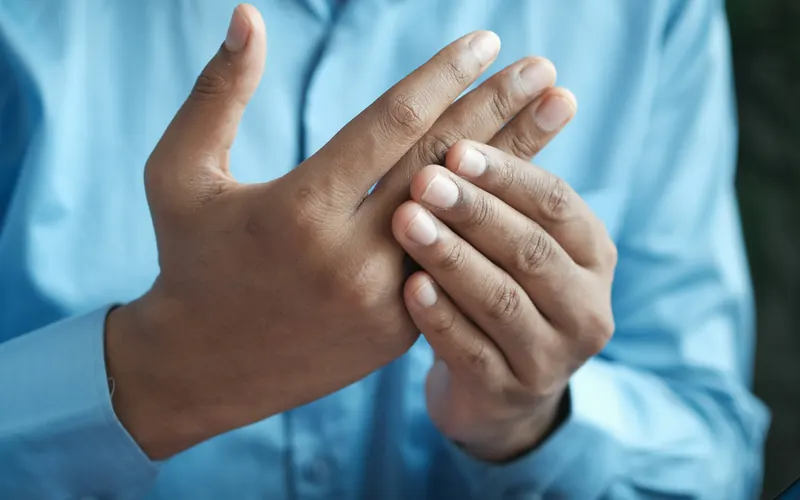
Cartilage and the fluid that cushions your joints are mostly water. The research on day-to-day hydration and joint pain is limited, but some people with arthritis notice they feel stiffer on days they drink less. It's a good thing to track for yourself.
Digestive Issues
Water is essential for healthy digestion. Dehydration can lead to constipation and can make symptoms of IBS and other digestive conditions harder to manage.
Muscle Cramps and Pain
Proper hydration helps maintain the electrolyte balance necessary for muscle function. Dehydration can lead to cramping and increased muscle pain, especially for those with fibromyalgia or chronic pain conditions.
Signs You Might Be Dehydrated
- Dark yellow urine (pale yellow is ideal)
- Infrequent urination
- Dry mouth and lips
- Headache
- Fatigue or dizziness
- Dry skin
- Difficulty concentrating
The Problem with Simple Water Tracking
Most hydration trackers work the same way: you log what you drink, and they add up the fluid ounces. Drink a 12-oz can of Coke? That's 12 ounces toward your daily goal. Drink a 12-oz glass of water? Same thing, 12 ounces.
But this approach ignores a fundamental truth: not all beverages hydrate you equally.
While that can of Coke is indeed mostly water, it also contains ingredients that affect how your body processes and retains that fluid. The caffeine has a mild diuretic effect. The sugar affects absorption. The result? That 12 ounces of soda doesn't contribute 12 ounces of effective hydration to your body.
Introducing Effective Hydration
This is why TakeCare uses a different approach: Effective Hydration.
Instead of simply counting fluid ounces, TakeCare recognizes what kind of drink you logged, like water, coffee, juice, soda or beer, and counts it at a rate that reflects how well that kind of drink hydrates. We call the result your "effective hydration."
How the Effective Hydration Formula Works
Each type of drink has a hydration rate built from two things: how much of it is water, and how much its other ingredients take away (or, for electrolytes, help). The amount you drank times that rate is your effective hydration. The rates reflect:
- Base water content: How much of the beverage is actually water
- Caffeine content: Caffeine is a mild diuretic that can increase urine output, reducing net hydration
- Sugar content: High sugar concentrations can slow water absorption and, in excess, may have mild diuretic effects
- Alcohol content: Alcohol is a significant diuretic that can cause you to lose more fluid than you consume
- Electrolyte content: Beverages with electrolytes (like sports drinks) can enhance water retention and absorption
- Other ingredients: Certain compounds can either aid or hinder hydration
How Different Beverages Compare
Here are the rates TakeCare uses for each kind of drink:
Excellent (95-100%)
- Water: The gold standard. What you drink is what you get
- Electrolyte drinks (95%): Sports drinks, oral rehydration drinks and coconut water. The electrolytes help your body hold on to the fluid
Good (about 83-89%)
- Coffee and tea (about 88-89%): Mildly diuretic, but still hydrating overall
- Diet soda (about 89%): Caffeine and bubbles take a little off
- Milk (about 83%): Its nutrients help you retain the fluid it contains
Moderate (about 75-84%)
- Flavored sparkling water (about 84%): Added sweeteners take a little off
- Juice, smoothies, lemonade and sweet tea (about 75%): Sugar slows how quickly the fluid is absorbed
Low (about 68%)
- Regular soda: High sugar slows absorption
- Energy drinks: High caffeine and sugar
Poor (about 46%)
- Beer, wine and spirits: Alcohol makes you lose fluid
The Alcohol Exception
Alcohol makes your kidneys release more water, so alcoholic drinks give back much less than their volume suggests. That's why TakeCare counts them at less than half, and it's part of why hangovers come with headaches and fatigue. If you drink, alternating with water helps, and the Hydration hub tracks alcohol in standard drinks (about 12 oz of beer, 5 oz of wine or 1.5 oz of spirits each).
Practical Hydration Tips
Understanding effective hydration is one thing, but putting it into practice is another. Here are strategies that actually work:
1. Front-Load Your Water
Drink a full glass of water first thing in the morning. You've gone 6-8 hours without fluids, and starting early makes it much easier to reach your goal than catching up at night, when a lot of fluid can mean trips to the bathroom.
2. Drink Before You're Thirsty
Thirst isn't always a reliable signal, especially as you get older or when you're busy. Tie drinking water to habits you already have, like a glass with each meal and one whenever you take your medications.
3. Eat Your Water
Many fruits and vegetables are over 90% water. Cucumbers, watermelon, strawberries, lettuce, and celery are all excellent choices that contribute to hydration while providing nutrients.
4. Don't Fear Your Coffee
Good news for coffee and tea drinkers: they count. In moderate amounts, caffeine has only a mild diuretic effect, which is why TakeCare still counts coffee and tea at close to 90%. Very large amounts, like several energy drinks a day, are a different story, and late-day caffeine can cost you sleep.
5. Check Your Urine
The simplest hydration test: your urine should be pale yellow. Dark yellow or amber means you need more fluids. (Note: some vitamins can affect urine color.)
6. Adjust for Activity and Weather
Exercise, hot weather, and even heated indoor environments increase your fluid needs. If you're sweating, you need more than your baseline amount.
Tracking Hydration with TakeCare
TakeCare makes it easy to see your true hydration, and how it connects to how you feel:
Log Any Drink
Add a glass of water with one tap from your dashboard, or log any drink the way you log food: type it, say it, or scan a barcode. TakeCare works out the effective hydration for you.
See Where You Stand
Your dashboard shows today's effective hydration against your goal. The Hydration hub shows your daily intake, how many days you reached your goal, what you drink most, and when in the day you drink it.
Caffeine and Alcohol, Covered
The Hydration hub also tracks caffeine in milligrams and alcohol in standard drinks, and lines them up with your sleep: how long you slept after caffeine past 2 PM, how alcohol affected your nights, and whether late drinks meant more time awake. Our post on sleep stages and symptoms goes deeper.
Hydration Alongside Your Symptoms
This is where it gets powerful. Rate how you feel through the day, and TakeCare shows how you felt at each hydration level and whether an early start made a difference. Maybe your afternoon headaches follow low-water mornings. Maybe your energy dips below a certain amount. Now you can see it.
The Bottom Line
Hydration is one of the simplest yet most impactful factors in how you feel each day. But tracking it accurately requires more than just counting glasses of liquid. You need to understand how different beverages actually affect your body's hydration status.
TakeCare's effective hydration formula takes the guesswork out of this equation. By showing you your true hydration level rather than just raw fluid intake, it helps you make better decisions about what and when to drink.
For those managing chronic conditions, proper hydration can be the difference between a good day and a bad one. Start paying attention to not just how much you drink, but what you drink, and watch how your body responds.
Your body will thank you for it.